
Affordability Checks: What UK Punters Need to Know in 2026
Best Horse Racing Betting Sites – Bet on Horse Racing in 2026
 Available in US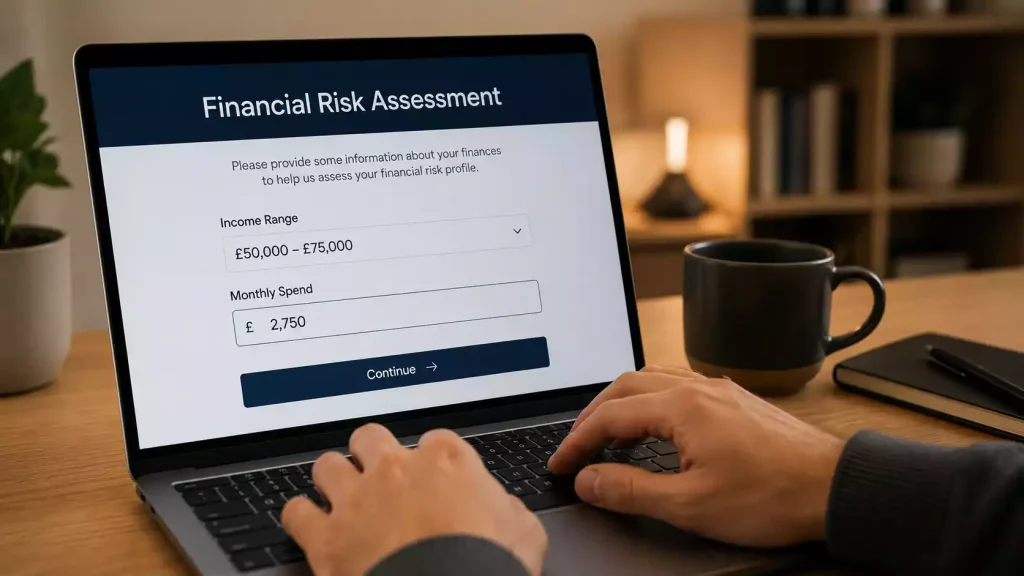
An “affordability check” is a formal procedure required under the UK Gambling Commission’s financial risk framework, by which a betting account is reviewed when monthly deposits cross a defined threshold. The intent is consumer protection – to ensure that punters losing money to gambling can absorb those losses without financial harm. The execution has become one of the most contested points of friction in the entire UK betting market, particularly for horse racing punters, who have historically bet at higher average stakes than the wider gambling population.
Whether you welcome the checks or resent them, they are part of the current operating environment for every punter using a UK-licensed bookmaker. Understanding the thresholds, the documents you’ll be asked for, the timeline that produced the current system, and the wider economic argument going on around them is essential to managing your betting account through 2026 without surprises. The system has changed twice in 18 months, and it will likely change again.
The regulator behind the checks: UK betting regulation.
What an Affordability Check Actually Involves
I remember the first time a bookmaker froze a deposit on me. It was a Saturday morning, I had a Cheltenham bet I wanted on, and the message read: “Please verify your financial position before continuing.” The whole process took 48 hours, which meant the bet was off the table by the time it cleared. That experience is now common enough across UK punting that most regular players have had a version of it.
An affordability check is the bookmaker’s response to a regulatory requirement that customers crossing certain spending thresholds must be assessed for financial vulnerability. The light-touch version uses publicly available data – credit reference agency information, address verification, basic financial markers – to confirm that a customer’s deposit pattern is consistent with their economic profile. This stage is usually invisible; you may not even realise it’s happening.
The enhanced check is where the friction starts. At this level the operator may request supporting documentation: payslips, bank statements, evidence of savings, sometimes a statement of source of funds. The account is typically restricted or paused while this evidence is reviewed. The Gambling Commission’s intent is that the process should be “frictionless” for the customer, with most checks running in the background, but in practice many punters experience enhanced checks as a meaningful interruption to their betting.
The check is not a one-time event. Once an account has been flagged for review, it can be reviewed again at any time. Many regulars report being asked for further evidence months or years after their initial check, particularly when deposit patterns change. The protocol is dynamic, not static.
The Threshold Timeline
The current friction is the result of two threshold reductions in close succession. From August 2024, the trigger for an affordability check was set at £500 net monthly deposits. From February 2025, that threshold was reduced to £150. The second reduction is the one that fundamentally changed the landscape for recreational racing punters.
At £500 a month, the affordability check captured a relatively narrow band of higher-staking customers. The Gambling Commission’s estimate was that roughly 3% of active accounts hit the financial risk-check thresholds at that level – meaningful for those affected, but not a market-wide change. The £150 threshold, by contrast, captures a much broader swathe of regular punters. A racing fan placing a £5 each-way on each of 30 fixtures across a month is now potentially within scope, and the population of accounts being reviewed has grown accordingly.
The thresholds are stated as “net” monthly deposits, which means deposits minus withdrawals. A punter who deposits £200 and withdraws £100 in a month has a net deposit of £100 and is below the threshold. But the calculation runs on a rolling basis, so net deposits in any rolling 30-day window can trigger the check.
The £150 figure was set after consultation with industry, with the Gambling Commission arguing that the level represented an appropriate balance between protection and frictionlessness. Industry bodies and the BHA argued that it was too low and would push punters into unregulated markets. That argument has shaped much of the policy debate that followed.
The 2026 picture is one of measured adjustment rather than reversal. The thresholds have remained at £150 net per month, but the operator-side processes have evolved, with most major UK bookmakers now offering pre-emptive customer engagement to gather financial information before a check is formally triggered. The aim is to reduce the abrupt account freezes that characterised the early implementation period.
How Many Punters Are Actually Affected
The Gambling Commission’s published estimate is that around 3% of active accounts cross the financial risk-check thresholds in a typical period. That number sounds small until you remember that there are millions of active UK gambling accounts – even 3% translates into a large absolute number of punters being asked to provide financial information to their bookmakers.
Racing punters are over-represented in that affected population, for two reasons. First, racing bettors tend to have higher average stakes than football or casino bettors – racing has long been a higher-stakes market, with more analytical engagement and longer-term punters running through accumulated bankrolls. Second, racing’s betting cycle peaks around marquee meetings like Cheltenham, the Grand National and Royal Ascot, which can produce concentrated monthly deposits that trigger checks even from punters who bet lightly the rest of the year.
The economic impact is contested. The BHA estimates that affordability checks could cost the racing industry £250m over five years through depressed turnover and reduced punter engagement. The Betting and Gaming Council has put the bookmaker-side loss at up to £900m a year, though that figure includes all forms of friction, not only racing-specific checks.
Whatever the precise number, the trend in turnover is clear. The introduction of stricter checks has coincided with – and many in the industry attribute much of – the recent decline in betting turnover on British racing. Nevin Truesdale, the former chief executive of the Jockey Club, summarised the industry view: “The Gambling Commission seems to want to reduce gambling to just small-stakes gamblers and that can’t be right.” That phrasing captures the underlying tension – the policy is designed for the median punter, but the impact lands hardest on the high-engagement minority who underwrite the economics of the sport.
The full picture is in our guide to UK horse racing betting basics.
The Industry Pushback and Where It Has Landed
The pushback against affordability checks has been one of the most coordinated lobbying efforts in recent UK racing history. The BHA, the BGC, racecourses, owners, trainers and many punter advocacy groups have all argued, in various combinations, that the £150 threshold is too low, that the documentation requirements are too intrusive, and that the unintended consequence is to drive higher-engagement punters into unlicensed alternatives.
That unlicensed alternative is real. Independent research has found that unlicensed operators have grown from less than 0.5% of the UK online gambling market in 2020 to around 9% by mid-2025, accounting for approximately £379m in gross gambling yield in the first half of 2025 alone. That is a substantial amount of activity that has migrated off the regulated market – and once a punter has moved, they don’t pay levy, they don’t receive consumer protection, and they are not contributing to the regulated sport’s economy. For the wider scale of this displacement, see our analysis of the UK black market in betting.
The Gambling Commission has acknowledged the concern but maintains that the public health case for the checks outweighs the displacement risk. The Commission’s view is that frictionless checks – running in the background using credit-reference data – should reduce the visible burden on punters over time, even if the threshold itself remains low.
From a punter’s perspective, the practical reality is unchanged in 2026: budget for the possibility of being asked, hold financial documents to hand if your deposits exceed £150 a month, and consider spreading activity across providers if you want to keep individual account totals below the trigger. The system isn’t going away, and adapting to it is now part of being a UK punter.
FAQ
Can I refuse to provide documents for an affordability check?
Practically yes, but the bookmaker will be unable to accept further deposits or process withdrawals while the check is outstanding. Refusal effectively means the account is frozen indefinitely. Most regular punters who want to maintain account access provide the requested documents, even where they find the request intrusive.
Do the same thresholds apply to every UK bookmaker?
The Gambling Commission"s rules apply uniformly to all UK-licensed operators, but each operator has discretion over how they implement the checks. Some are more aggressive with light-touch checks; others wait longer before requesting enhanced documentation. The £150 net monthly threshold is the regulator"s baseline, but individual operator behaviour above that level varies.
What documents am I likely to be asked for in an enhanced check?
Typically: recent payslips covering the past three months, bank statements over a similar period, evidence of any other income sources (rental income, investment returns), and occasionally a brief written statement of how betting fits into your wider financial position. Some operators accept self-employed documentation differently, so check the specific requirements of your provider.
Living with the Checks in 2026
Affordability checks are now a fixed feature of the UK betting environment, and punters who want to operate inside the regulated market need to plan accordingly. Keep records, expect occasional friction, and treat the threshold as a planning input rather than an obstacle. The system is unlikely to relax soon, but it is also unlikely to tighten further in the immediate term – the political debate has settled into a stable, if uncomfortable, equilibrium. For punters, the right response is to know the rules well enough to operate inside them without surprise.